A look at how everyday spending decisions are quietly shaped long before you reach the checkout, and three questions that help you take back control.
You weren't planning to buy anything.
You opened the app because you were bored. Maybe you were waiting for a friend. Maybe you just wanted to "have a look."
Twenty minutes later, you've somehow convinced yourself that the trainers you've been thinking about for exactly seven minutes are, in fact, a sensible purchase. They're on sale. There are only three pairs left. You'd practically be losing money if you didn't buy them.
The order confirmation arrives.
For a moment, it feels great.
Then comes the quieter question.
Did I actually want those?
We've all had that moment. Not just with clothes, but with gadgets, skincare, books we'll probably never finish, and that oddly specific kitchen tool we were convinced would change our lives.
The uncomfortable truth is that most impulse purchases don't begin at checkout. They begin much earlier, often before we've even realised we're making a decision.
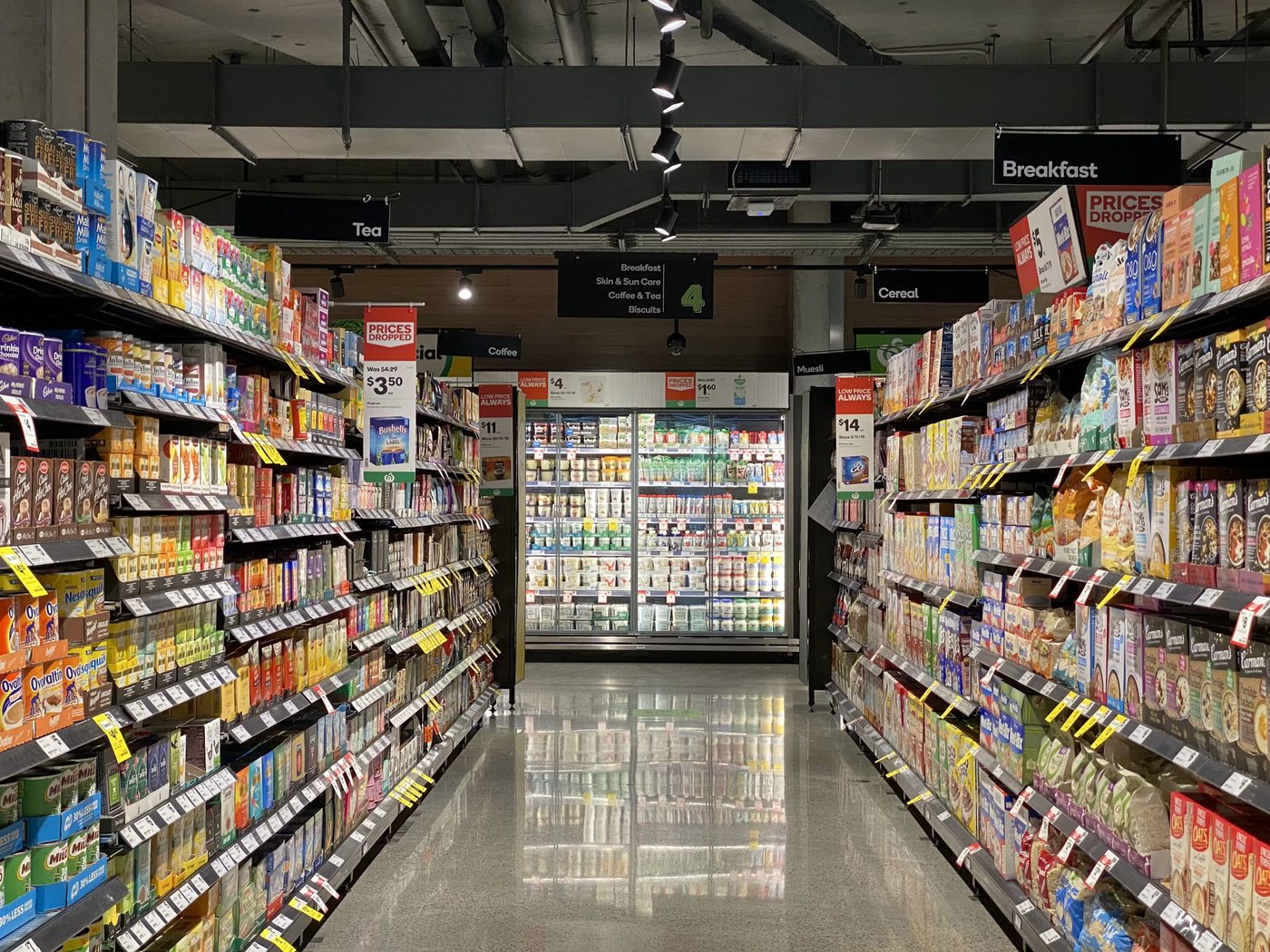
Walk into almost any supermarket.
You came for bread.
You leave with chocolate, sparkling water, chips, and a candle that smells vaguely like an expensive hotel lobby.
None of those things accidentally ended up in your basket.
The chocolate was placed near the checkout because you're tired. The candle was displayed under warm lighting because people associate warmth with comfort. The "Buy One, Get One" sign wasn't just advertising a discount. It was quietly changing the way your brain judged value.
Shopping is rarely just shopping anymore.
It's psychology.
Behavioural economics studies the small, often invisible forces that shape our decisions. It starts with a simple assumption: people aren't perfectly rational.
We like to think we carefully weigh every purchase.
Most of the time, we don't.
We make quick judgments, follow habits, respond to emotions, and fill in gaps with instinct. Usually that's helpful. Imagine having to analyse every single decision you made in a day. Your brain would be exhausted by breakfast.
But those same mental shortcuts are remarkably easy to influence.
Consider the phrase:
Free shipping on orders above ₹999.
Your basket totals ₹920.
So you add another ₹150 item.
Congratulations.
You just spent ₹150 to avoid paying an ₹80 delivery fee.
Logically, it makes little sense.
Psychologically, it makes perfect sense.
Our brains hate losses more than they enjoy equivalent gains. Paying for shipping feels like throwing money away. Buying another product feels productive, even when it costs more.
Retailers know this.
That's why the message exists.
Or think about the last time you saw a countdown timer.
"Only 2 hours left."
"Only 5 items remaining."
Whether the deadline is genuine or not almost doesn't matter.
Scarcity changes the way we think.
Something ordinary suddenly feels valuable simply because it might disappear.
Not because we needed it.
Because we might not get another chance.
Perhaps the most interesting purchases aren't driven by products at all.
They're driven by emotion.
Sometimes we're buying confidence before an event.
Sometimes we're buying comfort after a difficult week.
Sometimes we're buying the version of ourselves we hope to become.
The notebook won't magically make us organised.
The expensive running shoes won't guarantee we start jogging every morning.
But for a brief moment, buying them feels like buying the future.
That's a powerful feeling.
Companies don't create it.
They simply know how to tap into it.
None of this means you're being manipulated every time you shop.
Nor does it mean you should never make an impulse purchase.
Money isn't only for necessities. It's also for joy, hobbies, experiences, and occasionally buying something simply because it makes you smile.
The goal isn't to remove emotion from spending.
It's to recognise when emotion is driving the decision.
The next time you're hovering over the Buy Now button, pause for a moment.
Not because someone told you to save money.
Because curiosity is often more useful than willpower.
Ask yourself three simple questions.
Would I still want this tomorrow?
Am I buying the product, or the feeling it promises?
If this wasn't on sale, would I still think it was worth buying?
The answers won't always stop you from spending.
But they'll help ensure the decision is actually yours.
And that's what behavioural economics is really about.
Not spending less.
Just understanding yourself a little better before you spend.